Below, you will find examples of found letterforms. The world exists on letterforms and people rarely stop to think about it. There are three ways to make a letter: writing, drawing and typing.
Writing
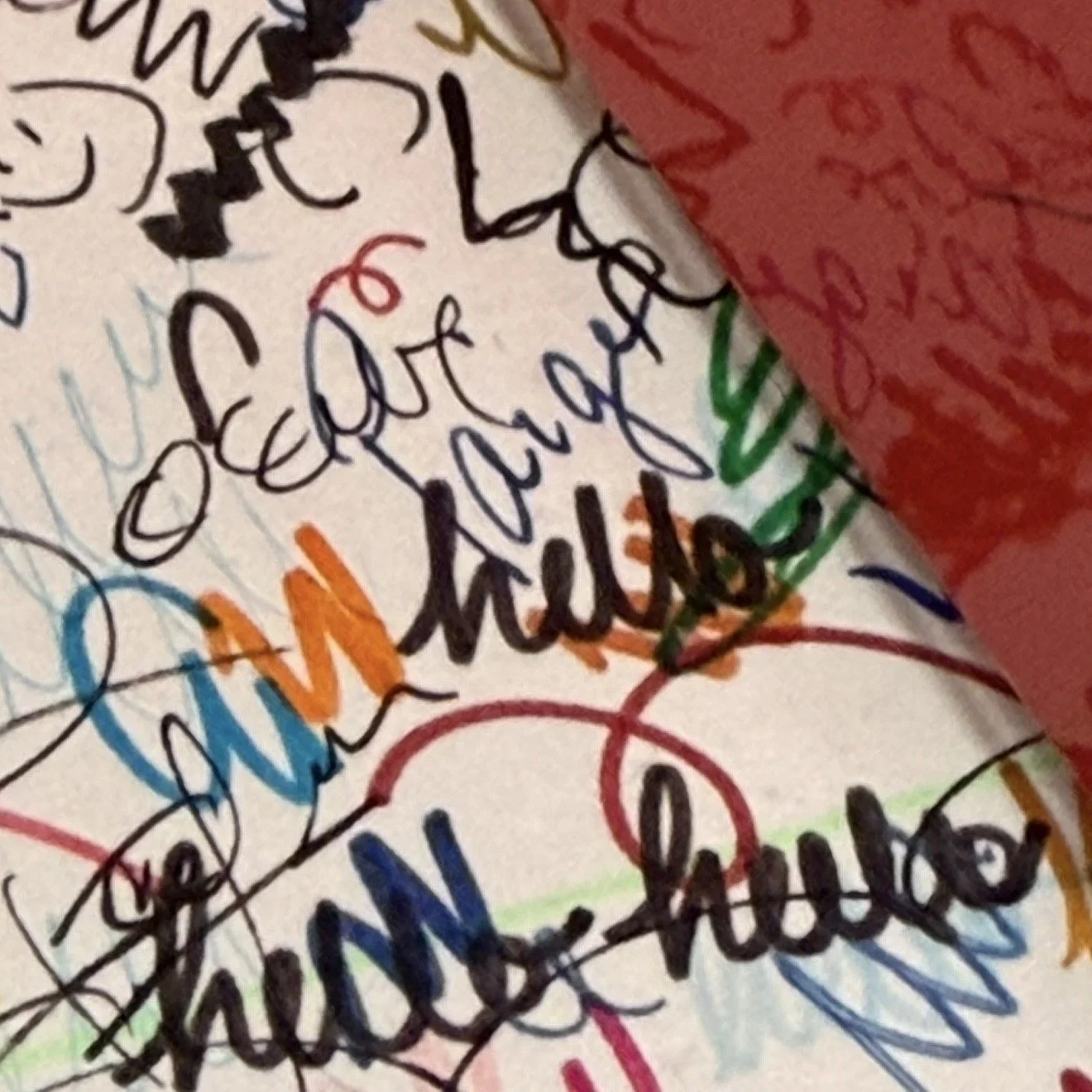
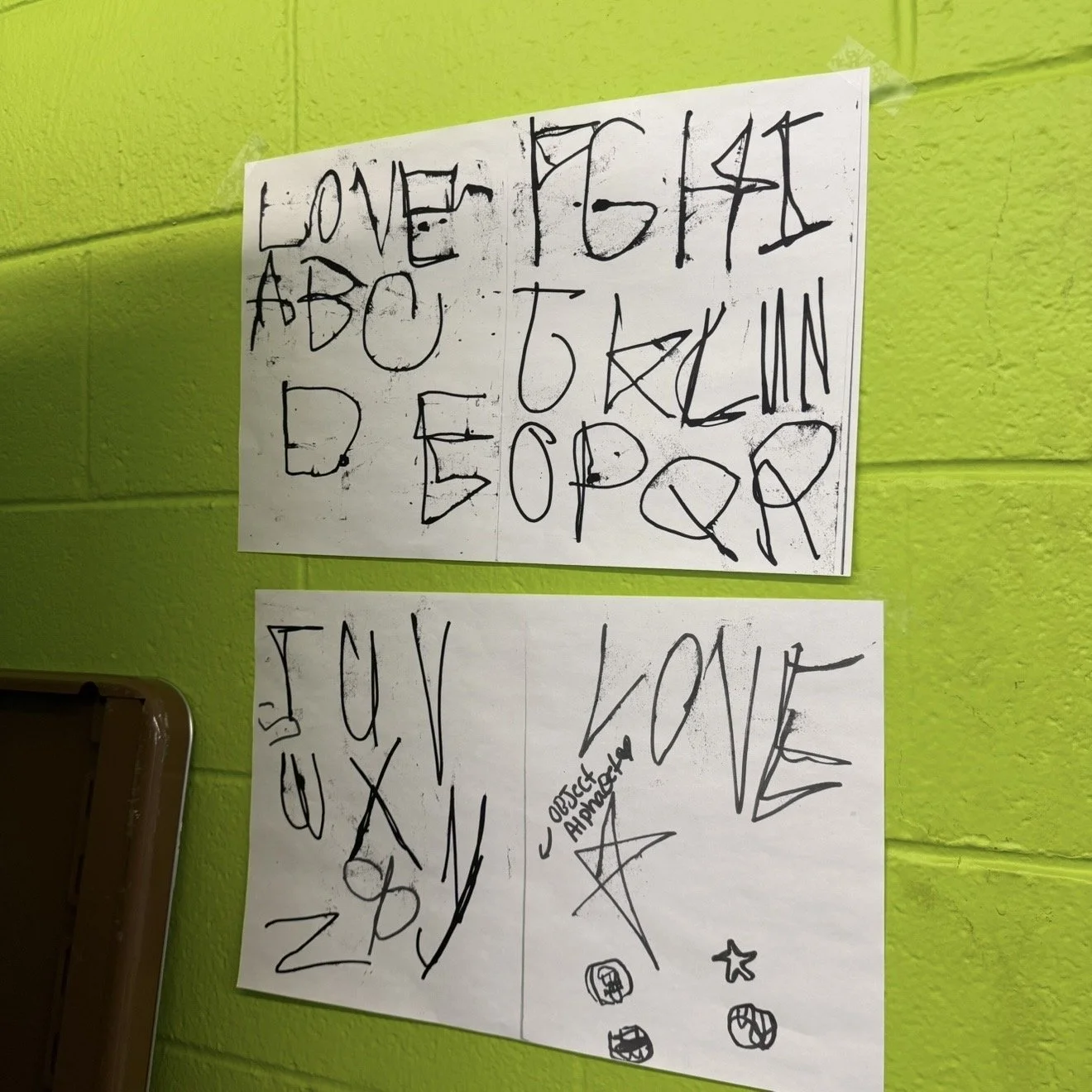
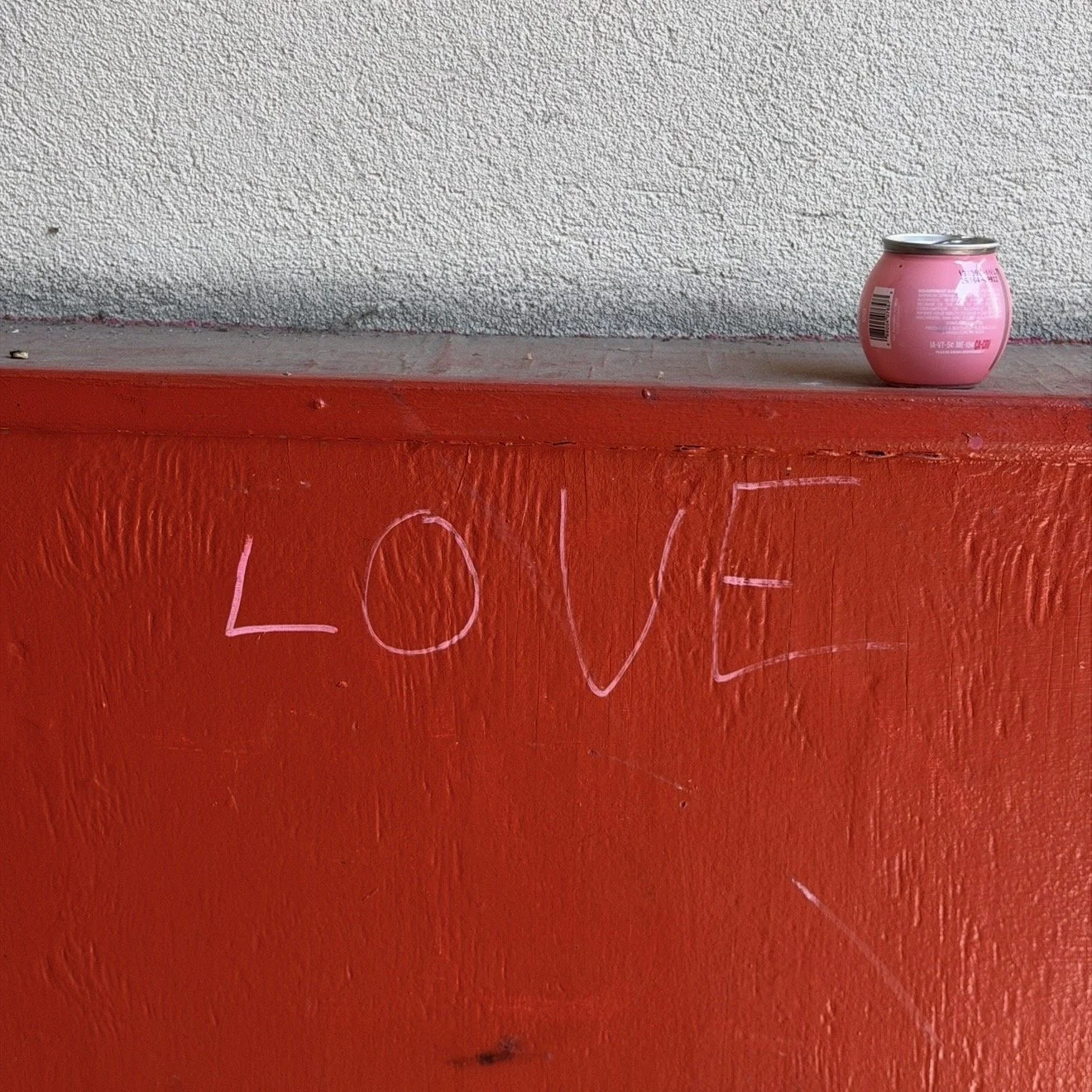
These three images are all examples of letterforms created by writing. “Written letters can be used only during the process of writing itself: the moment of production and of use is one and the same…writing only happens when you make letters with you hand (or part of the body) and when every significant part of the letter is made in one stroke” (Smeijers). Image 1 depicts a mix of writing - the sample being taken from an art store testing writing instruments such as markers and pens. The various test marks mix between swirls and cursive hellos. While the colors and thickness vary, all of the strokes show to be made using one continuous stroke. Image 2 showcases a hand-drawn alphabet. This alphabet in particular is a prime example of writing, as each letter is made in one continuous stroke. This is visible through the overlapping lines and the single start/end points of the glyphs. Although chunky and a little uncomfortable, the letters are made using the moment of production. Image 3 is a simply written, LOVE on a painted red wall. This small graffiti is representative of writing through the continuing stroke used in each letter. The words are fluid, simple, and made with one stroke.
lettering
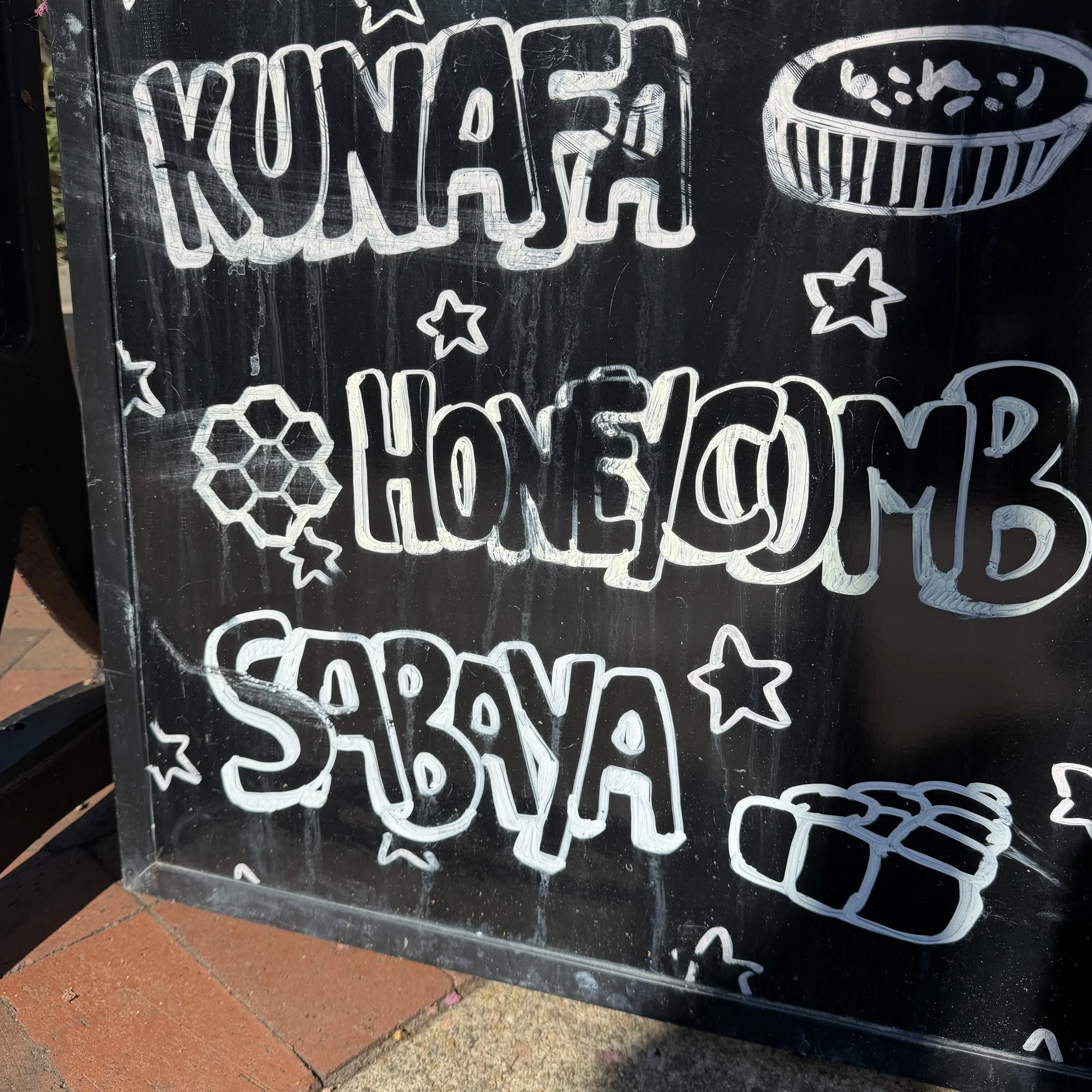
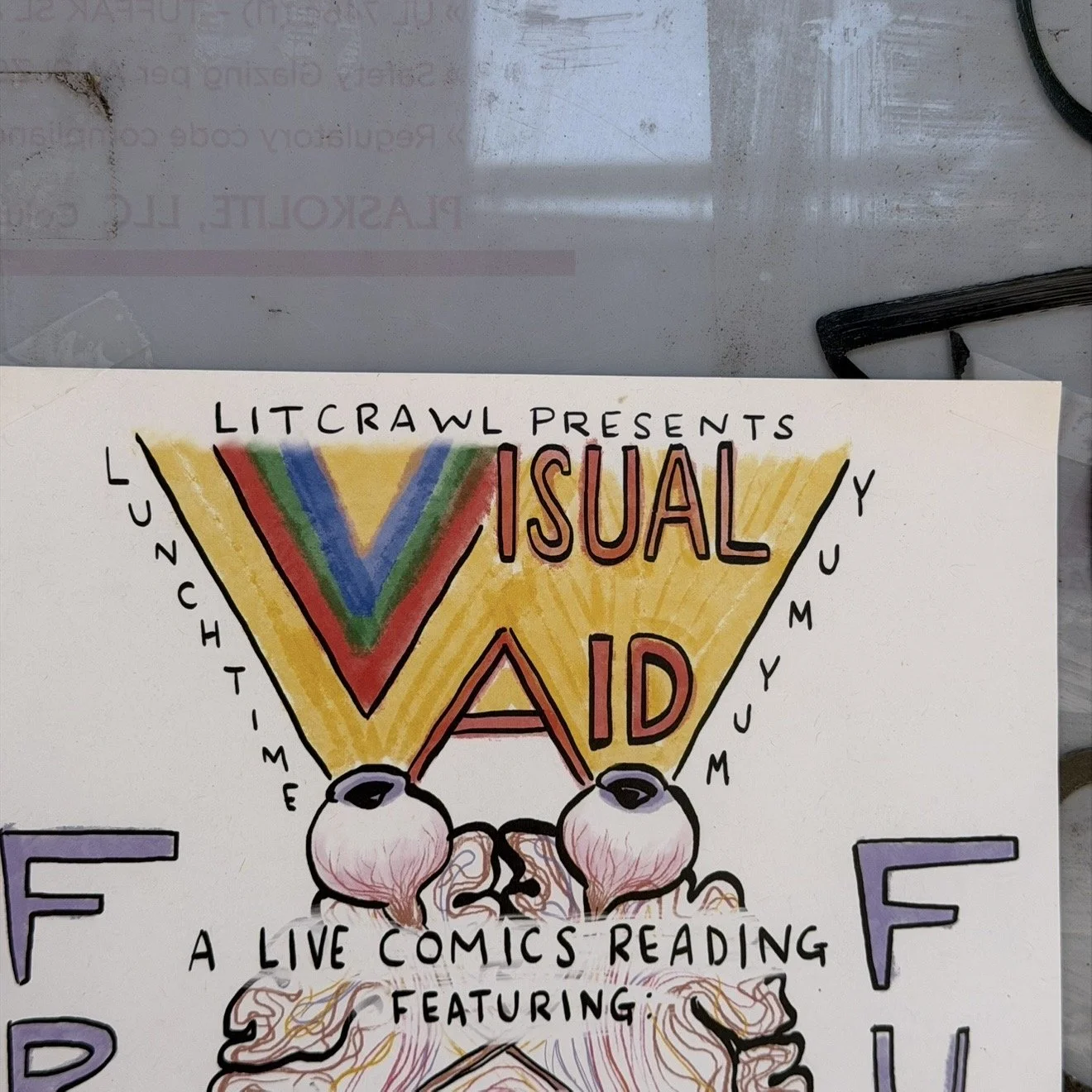
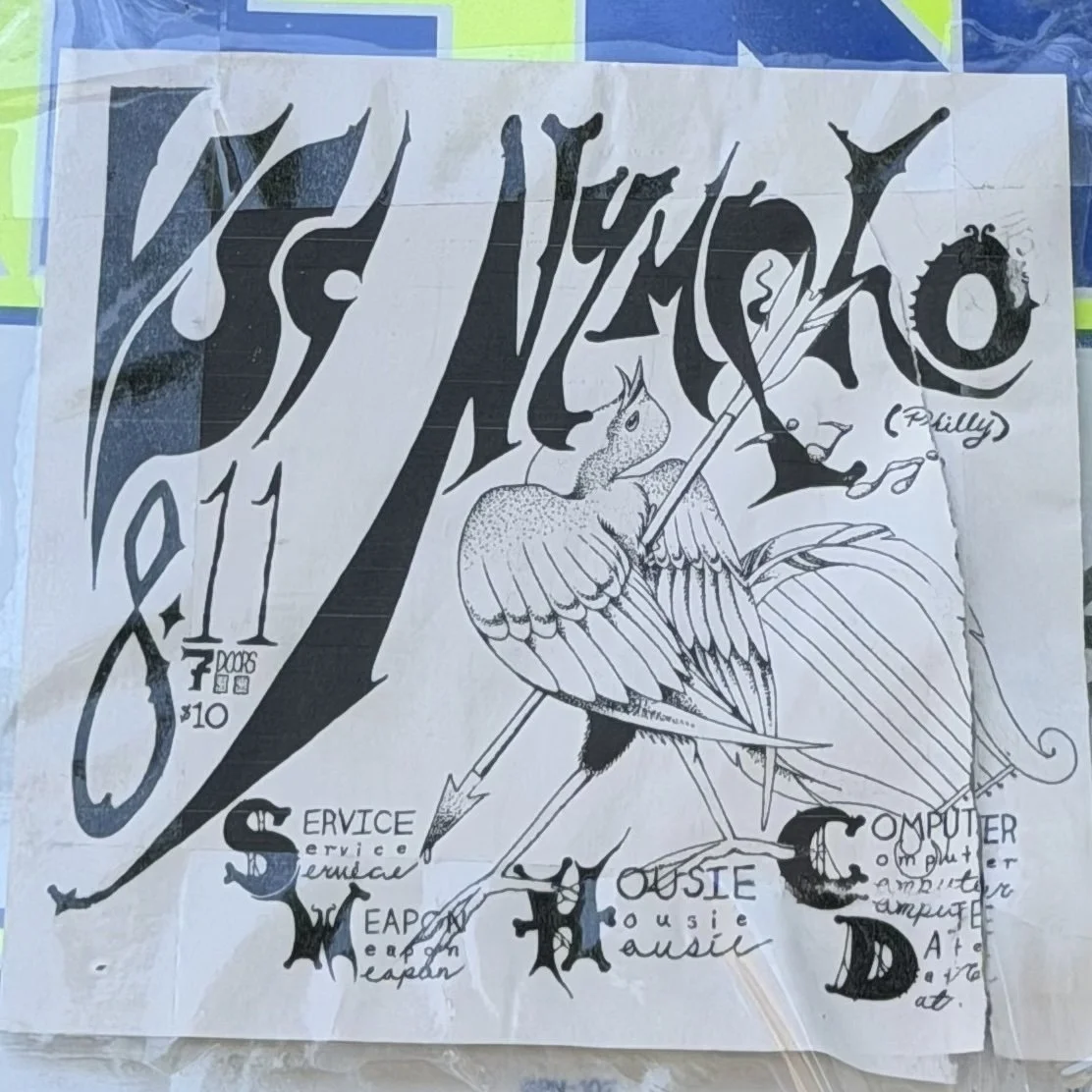
Lettering involves more than writing, one must work both the inside and outside contours of the letter. In simple terms, lettering is drawing a letter. “One of the essential characteristics of lettering is the much sought after possibility to reconsider and correct” (Smeijers). The images above showcase examples of lettering. Image 1 is a hand drawn chalkboard promoting various items. These letters are drawn in a display format with a white, shadow like border to create emphasis. It almost appears as if the letters are stacked on top of one another, an effect that could not be done with a continuous stroke. Image 2 has both lettering and writing. The writing could be found in the small black words written around the colorful, blocky lettering. The V of visual is the most visually striking example of lettering within this image. The V is created with multiple strokes and colors. Image 3’s lettering can be spotted in the bold, large letters with small accenting details. It is paired with simple writing to create visual hierarchy.
TYPOGRAPHY
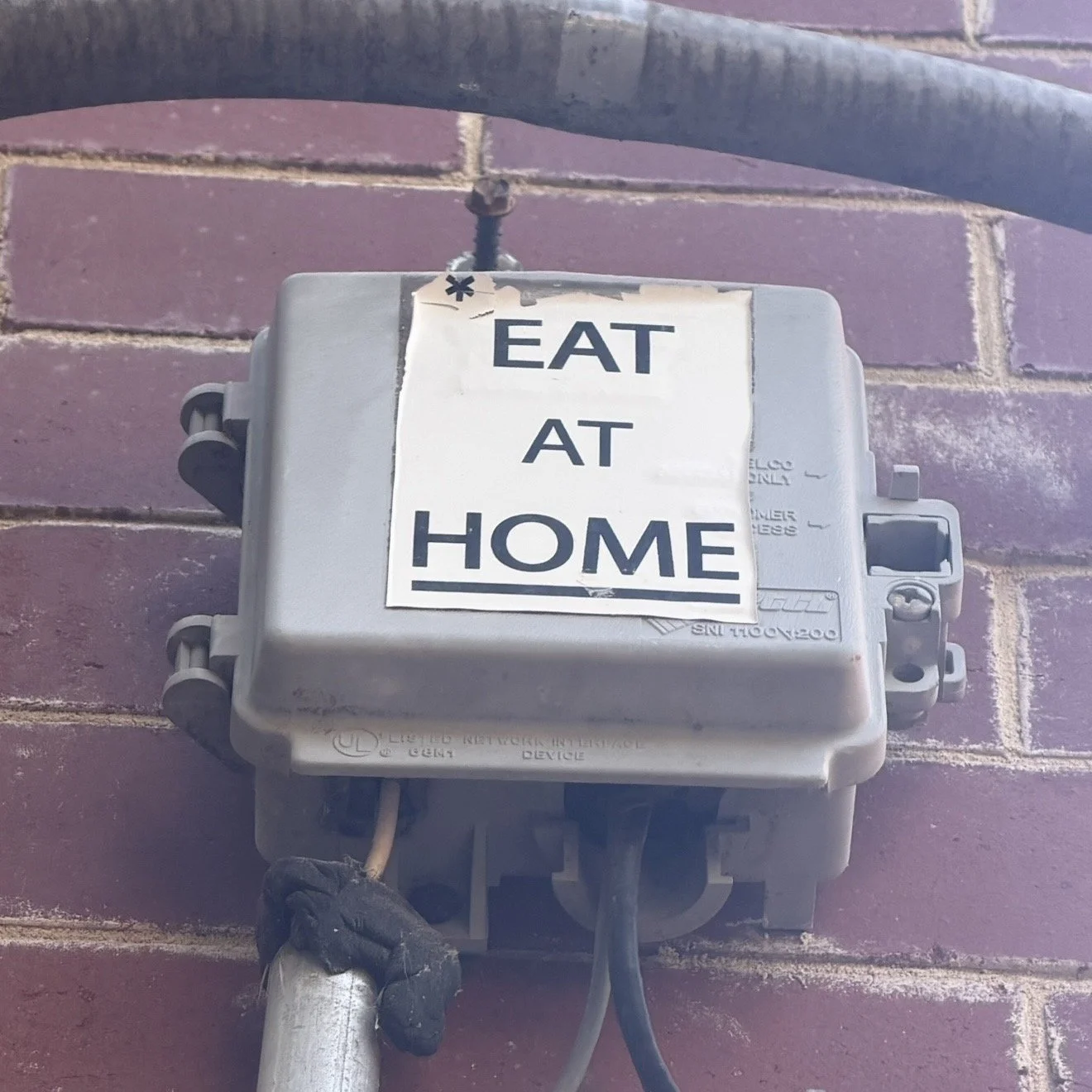
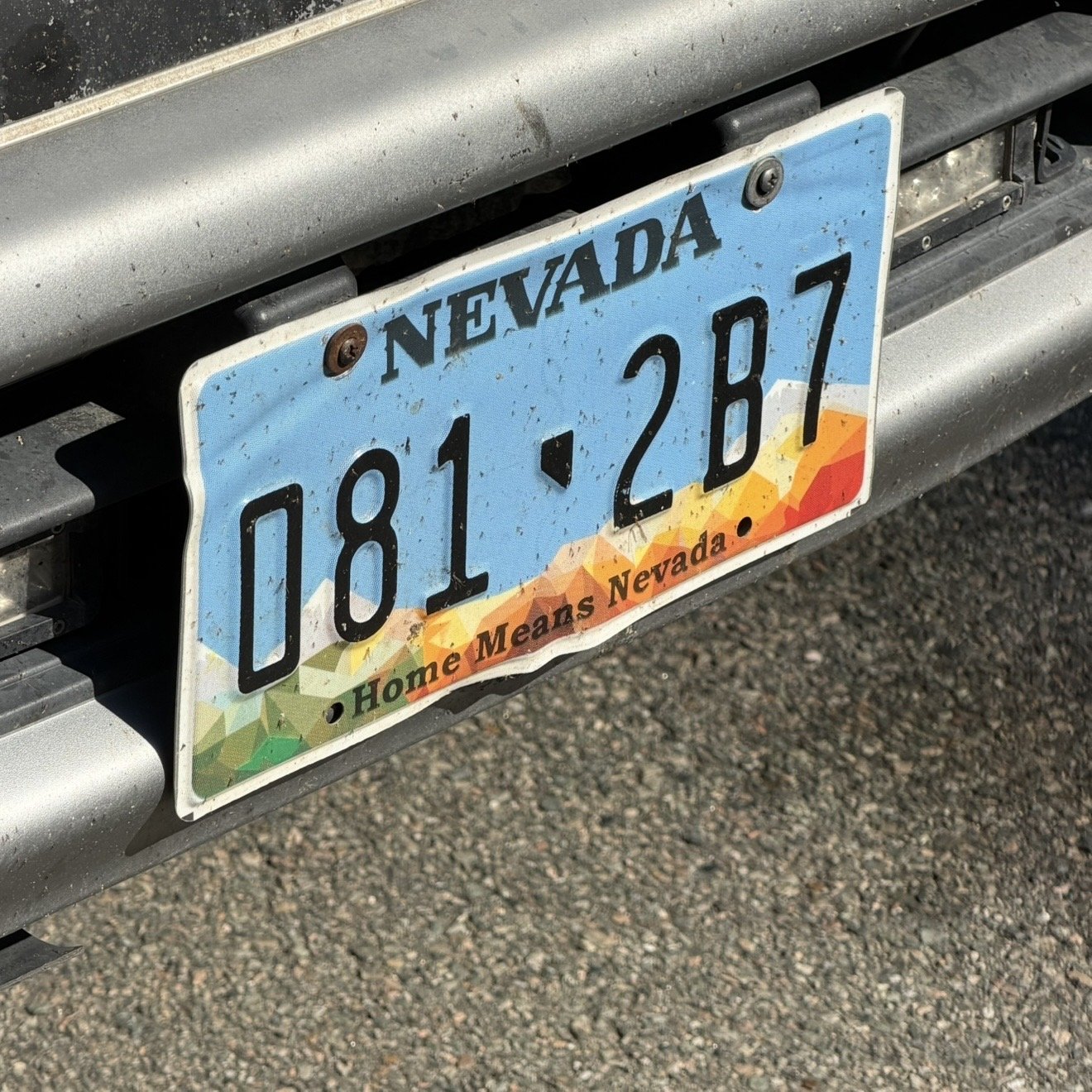
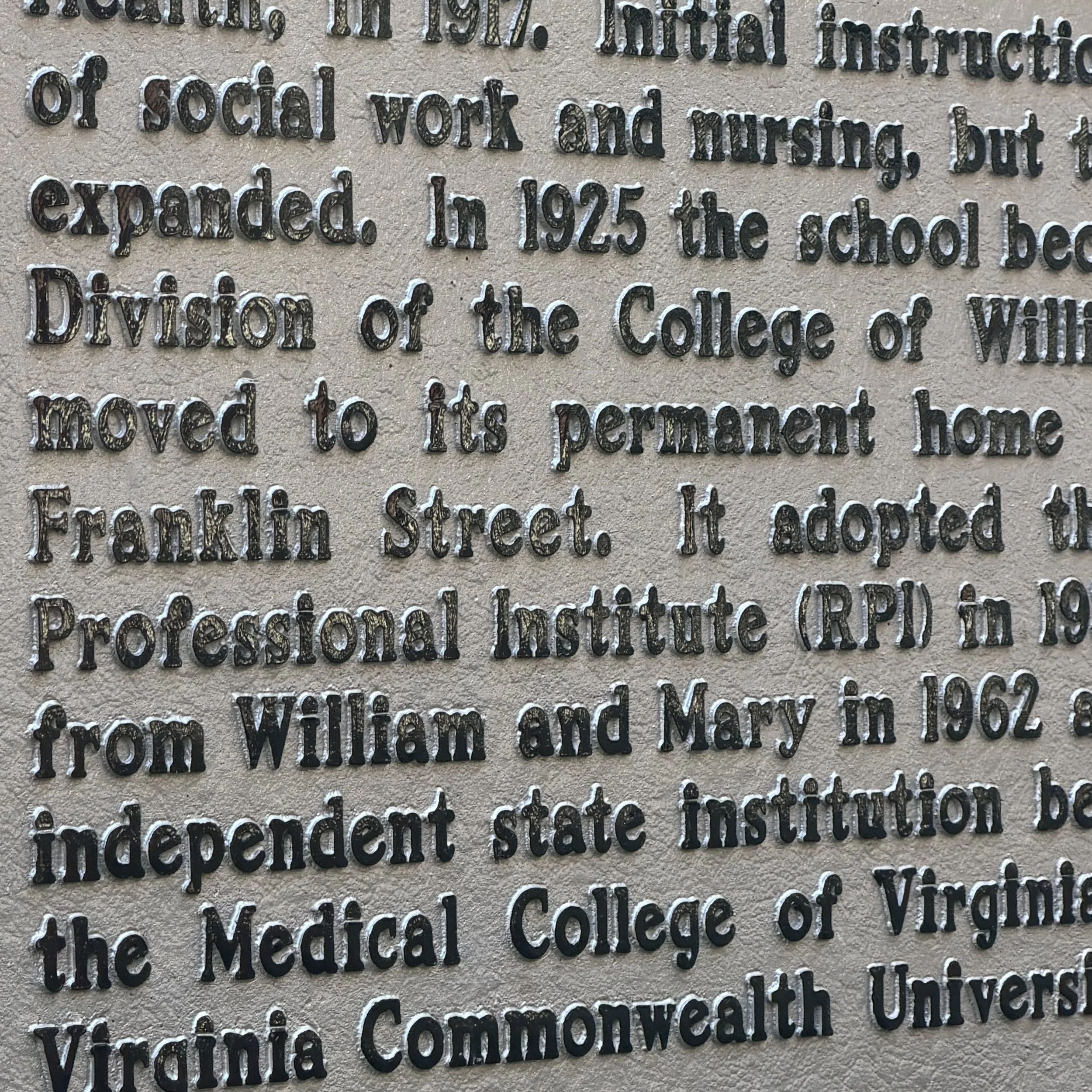
The last way to make a letter is by typing one. “In typography, the composition of a word, as well as the making of the letters, is regulated by machine-fabrication…the size and position of appearing elements can be exactly specified” (Smeijers). The images above are examples of typography, “typographic letters are words made, seen, and reproduced by means of machinery, whether digital or physical” (Shields). Image 1 was created using a digital machinery, most like a computer and then printed. Image 2 is a license plate that was created using both physical and digital machinery. The digital machinery is used to create the design and the physical is used to print out the typography into the metal itself. Image 3 is a historical sign with details embossed into the metal. This typography uses psychical machinery to arrange and print the letters onto large sheets of metal. All of these examples can be manipulated to exact specifications unlike the other two forms.
Bibliography
Shields, David. “Week 9 — Letterforms, Three Ways (Writing, Lettering, & Typography).” Canvas, 12 Oct. 2027, virginiacommonwealth.instructure.com/courses/137824/assignments/1483132?module_item_id=5220231.
Smeijers. “Three Ways of Making Letters.” Fundamental Factors.