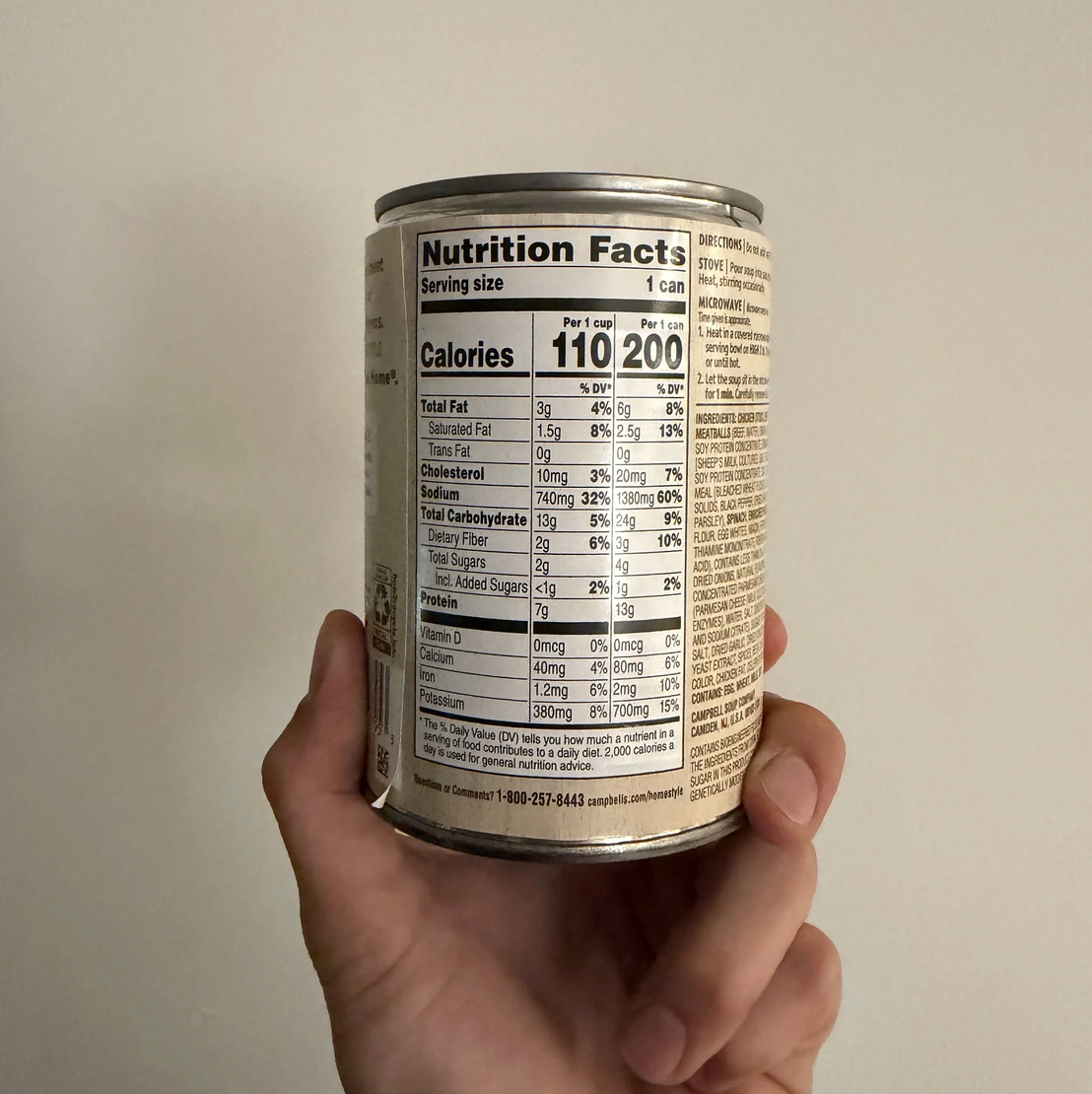
NUTRITION FACTS LABEL
There is a level of removal from the actual food through its representation via numbers and letters in the label, forcing the user to decipher the food in fractions. A breakdown can be identified through homemade meals, packaged food, nutrition facts, mass production of food, distribution of food across areas. I do not find the nutrition label to be a natural imitation of food, but rather the food within the can could be a natural imitation of a homemade meal. It is an imitation because a user will have the ability to use less time and resources to replicate the same “meal”. The nutrition label is a productive copy as it is a mass production of a representation of what is trying to organize and describe the food. Lastly, if we were to carry on with the idea that the nutrition facts are a representation of a reproduction of a homemade meal, maybe we could try and squeeze it into a simulacrum, but really it is not the best fit. Technically the label is still referring to the food within its package, even if it carries more abstract qualities such as fractions to represent the elements inside. Overall, the nutrition fact label creates distance between the food and the user's understanding by translating the food itself into bits of information.
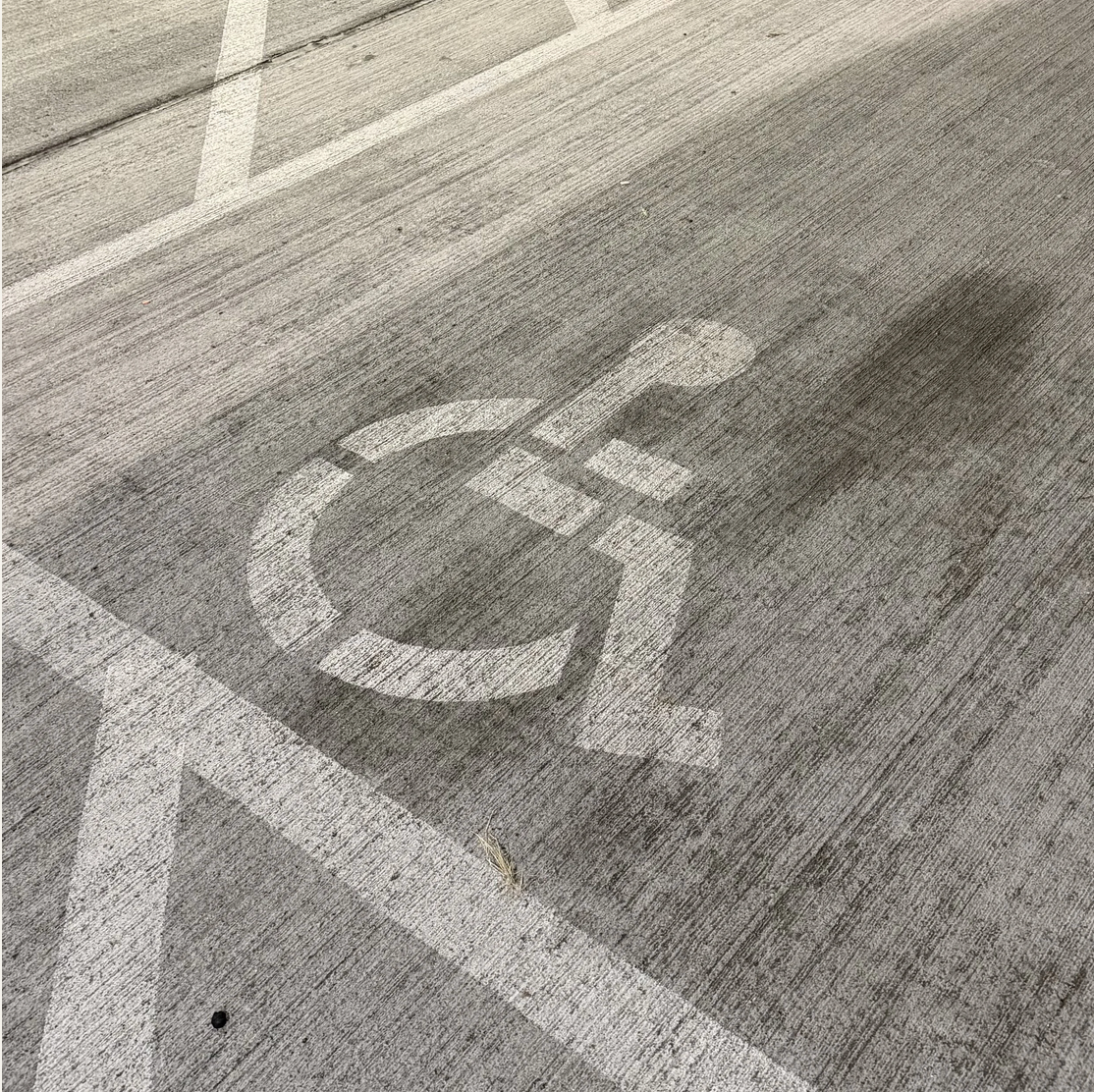
HANDICAP LOGO
The level of removal creates misperceptions about people with disabilities and how we visually represent them. A breakdown could be a person with a disability, the logo of a handicapped person in a wheelchair, the widespread use/repetition of logo. The handicap logo is a natural imitation of a person in a wheelchair. Taking a recognizable form and removing details from the actual person until only the simplified figure remains. The productive copy emerges via the mass reproduction and use of the logo to establish accessibility of space. This reproduction across public spaces reinforces a standardized representation of disability. A simulacrum can be found within this when society takes the reproductions of the handicap logo and produces a new connotation of the image. The symbol reaches a simulacrum when society begins to treat it as the defining characteristic of a disabled person rather than a representational one. Such as when people with disabilities beyond mobility park in designated parking spaces and then get accused of not having a “real” disability. A social hierarchy is born from the logo influencing how society perceives disabled people and how those with disabilities are recognized. The reproduction of the handicap logo encourages the misrepresentation and hence the misunderstanding of people with disabilities.
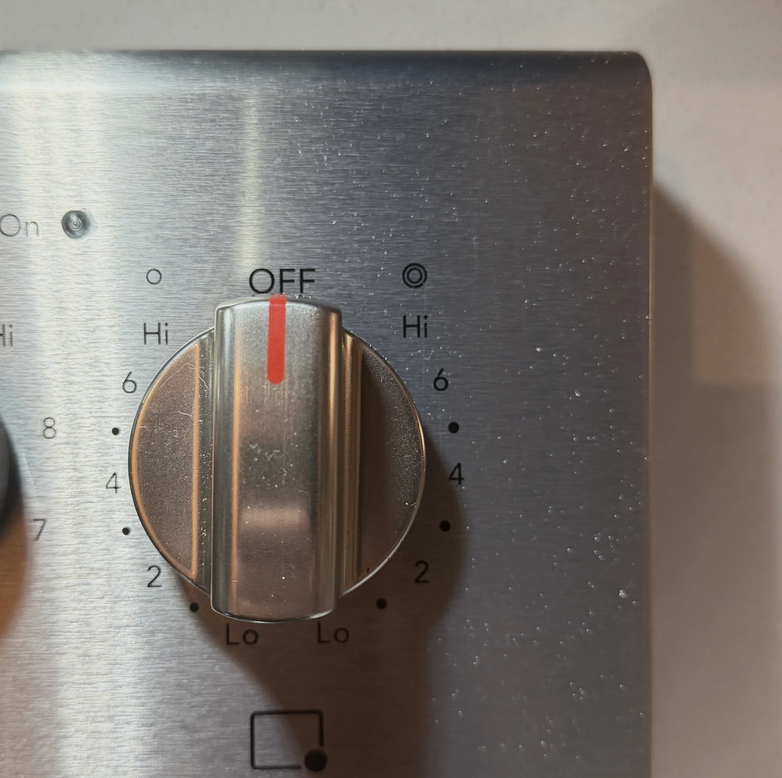
STOVETOP TEMP. CONTROL
The stovetop temperature control dial’s levels of removal can conceptually be broken down to fire, fireplace, wood stove, gas stove, electric stove, induction stovetop. Over time, the user moves from physically tending a fire to controlling heat through an interface. The stovetop control dial represents numbers, dots and words that do not naturally imitate temperature. The stovetop temperature control dial is a productive copy through its reproduction of heat into a series of representational units such as numbers, words and dots rather than the actual temperature. The dial translates the physical process of heating into numbers and words. The user interacts with symbols rather than directly engaging with the heat source or temperature. The dial could be considered a simulacrum because it encourages users to understand temperature through familiar symbolic settings rather than precise measurements of actual heat. An example of this practice is shown in recipes, when users are instructed to cook using at temperatures such as “Low” or “High." The reproductions of the dial are being reproduced via instructions in recipes.