EVERYDAY REPRESENTATIONS
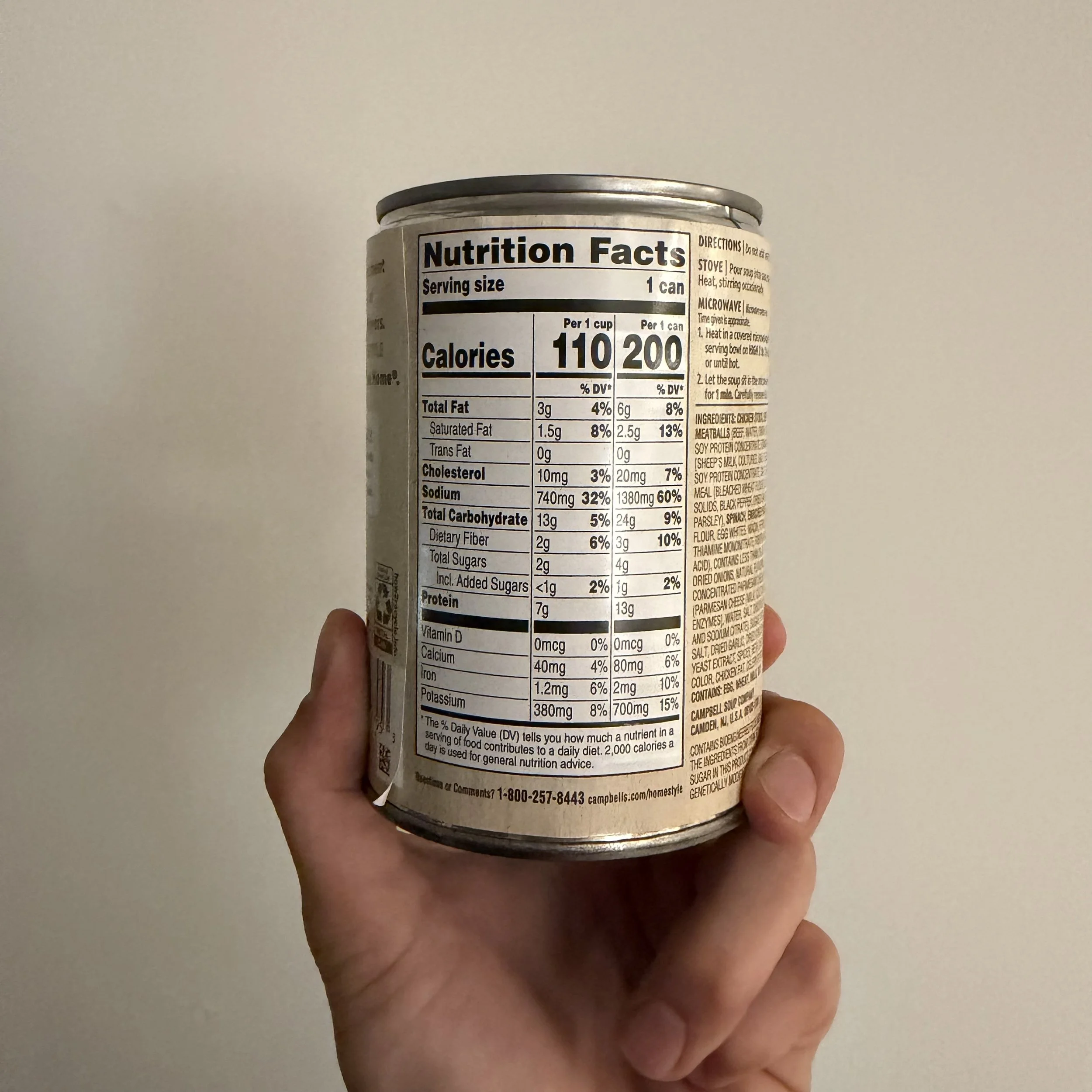
NUTRITION FACTS LABEL
The nutrition label functions as a way to perceive what is being eaten. The nutrition fact label is found on almost all packaged food products. They were urged into existence by the government in 1969 and policies about formatting structure were established by 1972 (1). According to the CDC, using a nutrition label “can help you choose foods for a healthy diet” (2). The nutrition label is successful in helping provide people a basis of understanding towards the food they are consuming or plan to consume. The habitual repetition of the nutrition label (representation) has created trust amongst consumers and society. Yet, while we put the blind faith of our health into the constraints of this white box, we fail to recognize that maybe these facts are distorted. These facts that we see as valid are actually susceptible to up to 20 % of variation from what is actually in the product. Additionally, there can be a range in product quality between facilities. Lastly, nutrition labels and products are not regularly tested and updated (3). The deception these labels hold are disguised by the years of trust society has placed into them.
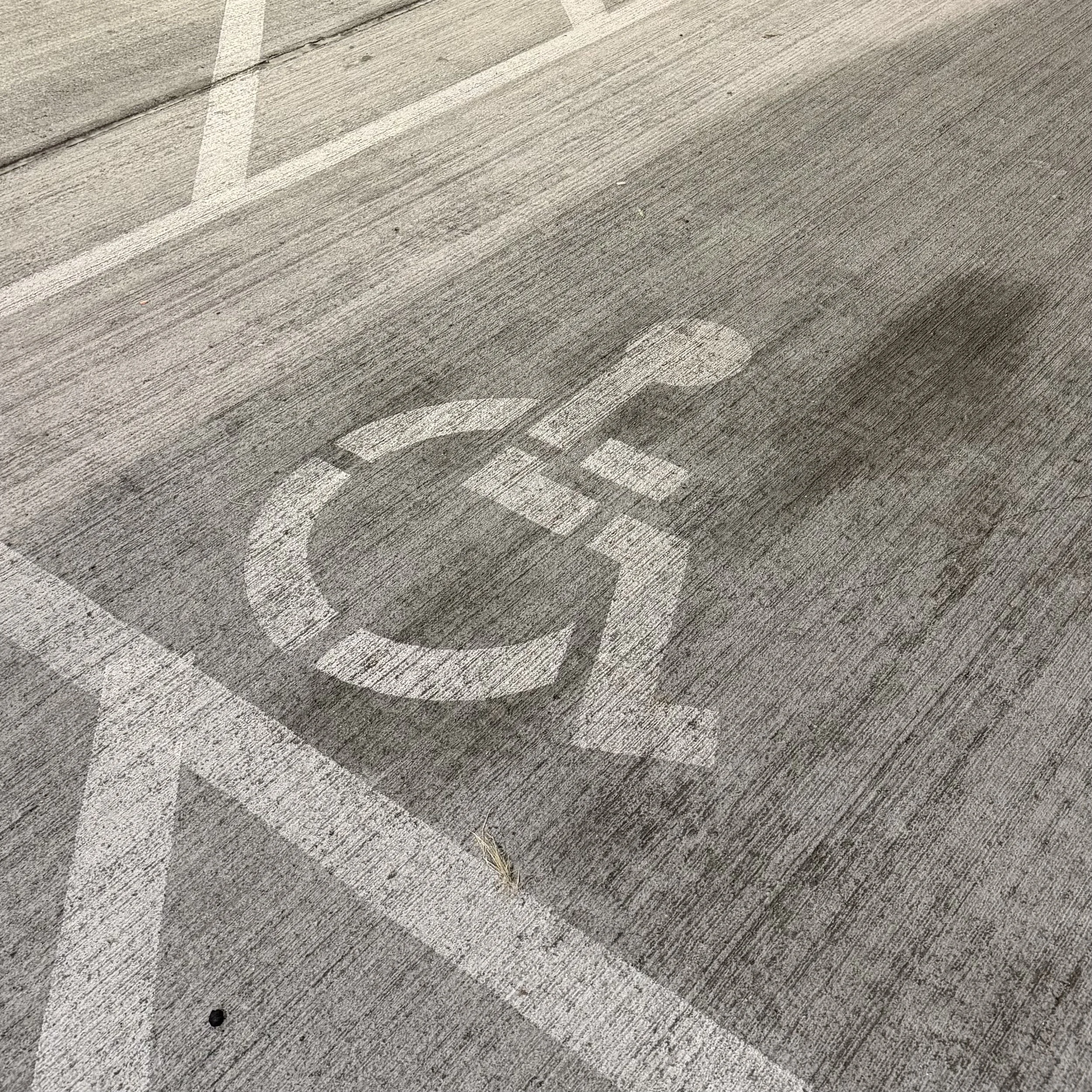
HANDICAP LOGO
The handicap logo represents people with disabilities. The logo is representative of a figure in a wheel chair, sometimes overlaid with a blue rectangle. Officially known as the International Symbol of Access, it was designed in 1969 (4). The handicap logo is successful in identifying areas designed to accommodate those with disabilities. In order to qualify for a handicap tag, a person can have a physical, mental or visual disability. A few specific examples are the inability to walk over 200 ft without taking a break, the use of a brace/crutch/support to walk, heart conditions, lung conditions, deafness, blindness, and more (5). The representation of a person in a wheel chair, whether adopting the newer format of forward oriented motion (6) or not, still enforces a visual distortion about those with disability. The use of a wheelchair reinforces an idea that a disabled person needs to be in a wheelchair, when in reality thousands of people have disabilities that we cannot see. This representation enforces the notion of disability bias to the public nationwide. Additionally, I think the handicap logo has a subtle lean into ableism. Ableism is defined as “set of beliefs or practices that devalue and discriminate against people with physical, intellectual, or psychiatric disabilities” (7). While the intention of this representation is not to support ableism, this logo places a label on people that makes them more susceptible to stereotyping. This representation for disability limits our perception of how we view disabled people.
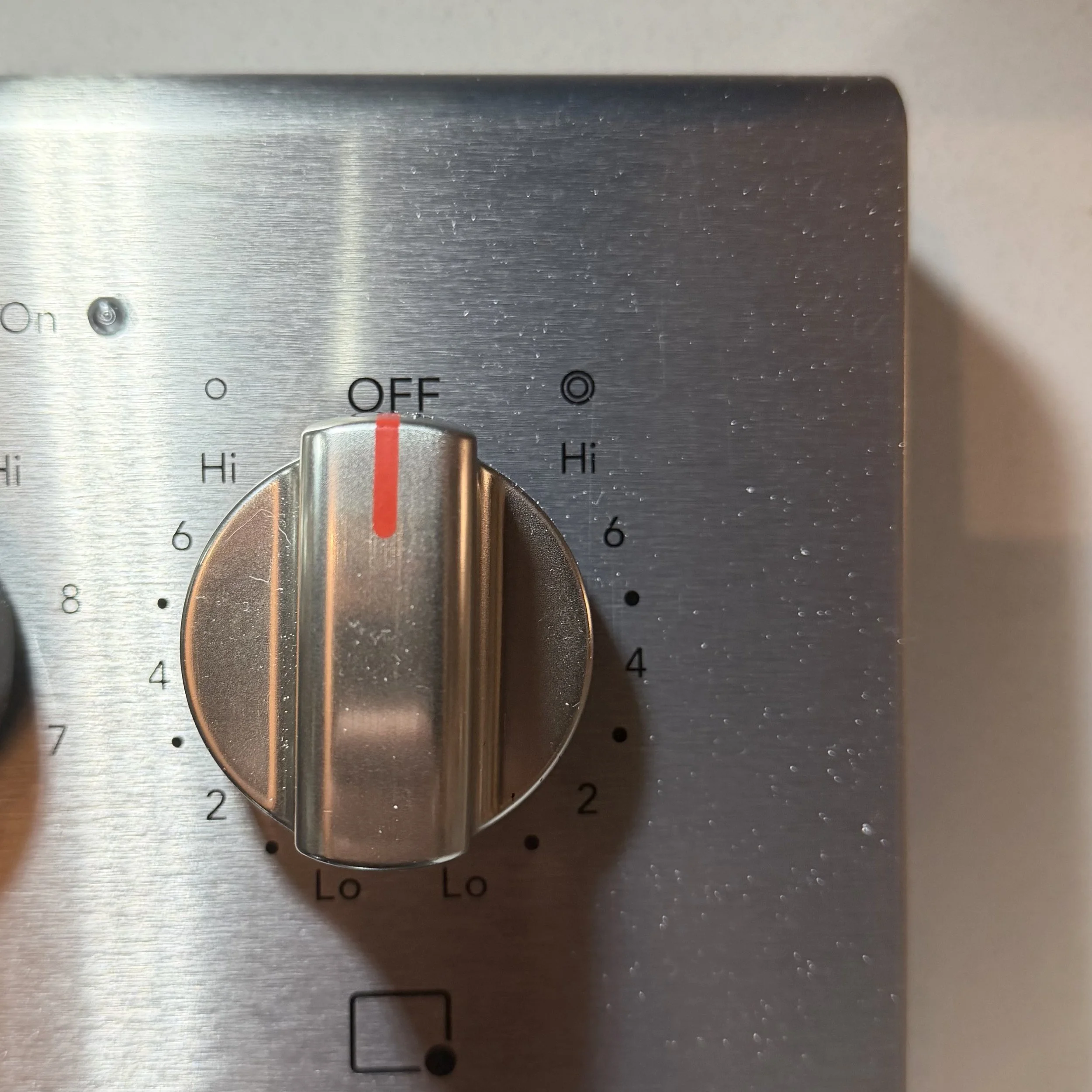
STOVETOP TEMP. CONTROL
The stovetop temperature control represents the heat or power setting on a stovetop. There are ovens with stovetops, stovetops on countertops, electric stoves, gas stoves and more. With such diversity, it is understandable that there was desire to regulate a way to control temperature for separate burners on the same product and across product variations. This representation, while simple to use and understand, actually distorts our perception of heat and temperature. The dial filters out the physical temperature. In this example, the temperature scale is from Lo-Hi, with numbers and dots in between, none of which give us any accurate reference to the temperature. This could range from number 1-10, Lo-High or a mix of both. With variations across ovens from wear and tear to design and conception, the level 4 on one oven could vary drastically from another. With this distortion of perception, without an appropriate cooking thermometer, it is nearly impossible to know what heat you are truly cooking at outside of Lo-4-Hi.
SOURCES
(1) Institute of Medicine (US) Committee on Examination of Front-of-Package Nutrition Rating Systems and Symbols. “History of Nutrition Labeling.” Front-of-Package Nutrition Rating Systems and Symbols: Phase I Report., U.S. National Library of Medicine, 1 Jan. 1970, www.ncbi.nlm.nih.gov/books/NBK209859/.
(2) “Nutrition Facts Label and Your Health.” Centers for Disease Control and Prevention, Centers for Disease Control and Prevention, www.cdc.gov/healthy-weight-growth/healthy-eating/nutrition-label.html. Accessed 1 Sept. 2026.
(3)“Is Counting Calories Worth It?” Cleveland Clinic, health.clevelandclinic.org/are-calorie-counts-accurate. Accessed 1 Sept. 2026.
(4) Andrews, Scott. “Redesigning the Handicap Symbol: Time for a Rebrand?” Rollx Vans, Rollx Vans, 11 July 2018, www.rollxvans.com/redesigning-handicap-symbol-time-rebrand/.
(5) “Disabled Parking” Virginia Department of Motor Vehicles, https://select.dmv.virginia.gov/select/help/dlg/pdf/disabled_qualify.pdf. Accessed 1 Sept. 2026.
(6) Evolution of the International Symbol of Accessibility: Towards an Inclusive Representation of Invisible Disabilities | by Laura Gnzlz Ercoreca | Medium, medium.com/@laura.gnzlz.ercoreca/evolution-of-the-international-symbol-of-accessibility-towards-an-inclusive-representation-of-bdf5088ec289. Accessed 1 Sept. 2026.
(7) Smith, Leah. “Center for Disability Rights.” #Ableism – Center for Disability Rights, cdrnys.org/blog/uncategorized/ableism/. Accessed 1 Sept. 2026.